Jul
01
What’s Next for Electric Trucks? Navigating the Road Ahead in Logistics
The electric truck landscape is at a critical crossroads. With changing emissions regulations and ROI concerns, logistics companies, truck fleets, and freight carriers are reassessing the path forward. Despite regulatory headwinds, manufacturers continue to invest heavily, and market forces are aligning to determine whether electric trucks will power the future of U.S. freight transportation, fleet operations, and truck drivers.
- Regulation Shifts Redefine Momentum
Policy Rollbacks and Industry Response
Driven by executive orders and legislative changes, emission mandates like California’s Advanced Clean Trucks rule have been halted, creating uncertainty among fleet operators. Without nationwide standards, adoption may slow as fleets prioritize economic viability over compliance-driven purchases.
Patchwork of State Incentives
Seventeen states and Washington, D.C. still offer zero-emission truck incentives, supported by more than $13.5 billion in local funding. This fragmented policy landscape means fleets must navigate varying standards across jurisdictions.
- Fleet Economics Drive Adoption Decisions
Return on Investment is Key
For many fleets, electric trucks are still a financial gamble. Without clear fuel cost savings or operational efficiency gains, adoption remains tentative—especially for heavy-duty applications where ROI is elusive.
Use Cases with Clear Benefits
Short-haul and last-mile delivery vehicles show better ROI potential, with fleets like Walmart already operating over 1,200 electric vans. These smaller electric models offer predictable routes, overnight charging, and demonstrable savings.
- OEM Strategies Keep Advancing
Major manufacturers aren’t backing down:
- Daimler continues with its Freightliner eCascadia, aligning production with EPA guidelines.
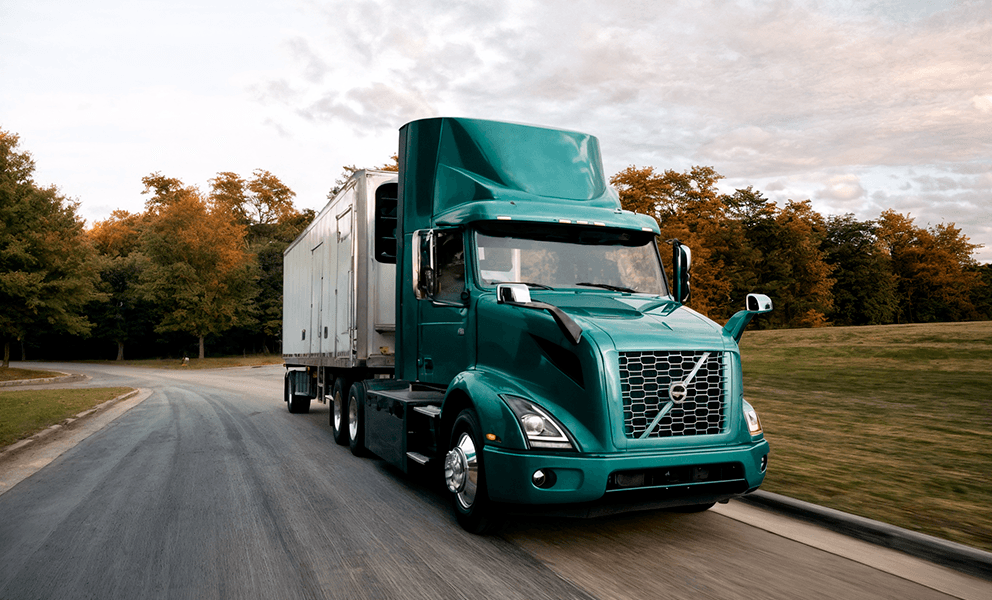
- Volvo Group pursues a multi-path growth strategy with electric, hydrogen, and combustion trucks.
- Tesla aims to scale Semi production at its Reno facility by 2026.
- Peterbilt, Kenworth, and Mack plan electric roster expansions via 2025–2026 launches.
These investments signal resilience and long-term belief in the electric truck market.
- Infrastructure and Utility Support Ramps Up
Charging infrastructure is approaching a tipping point:
- Medium- and heavy-duty hubs are expected to nearly triple to 1,500 next year.
- Utilities offer “flexible interconnect” options, enabling fleets to tap into power earlier during setup.
Aligning infrastructure build-out with fleet upgrades is crucial for broad EV adoption in freight logistics.
- Operational Strategies for Fleets
ROI-Focused Fleet Planning
Fleet managers are refining use cases: electric trucks remain limited to operations with consistent routes, return-to-base charging, and predictable payloads—all factors that improve cost recovery.
Risk Management via Mixed Fleets
Many logistics companies operate hybrid fleets, combining diesel and electric trucks. This flexibility helps manage uncertainty while installing charging infrastructure.
Smart Energy Purchasing
If fleets lock in energy rates and invest in charging tech, they can protect themselves from volatile diesel prices, strengthening the EV business case.
- Manufacturer Perspectives
Innovation Despite Policy Uncertainty
OEMs emphasize technology leadership rather than regulatory pressure. Daimler, Volvo, Tesla, Mack, Peterbilt, and Kenworth continue development and testing regardless of policy evolution.
Infrastructure Partnerships
Collaborations with energy and charging providers are growing. Truck makers recognize that fleet electrification requires ecosystem readiness—beyond just vehicle production.
- Toward a Resilient and Responsive Industry
Long-Term Vision with Short-Term Caution
Industry experts believe slowdowns in policy shouldn’t halt progress. Instead, they say fleets benefit from a pause to refine operational models, ROI analysis, and infrastructure strategies.
Collaboration Is Crucial
For electric trucks to succeed at scale, coordination across regulators, truck makers, energy providers, logistics companies, and drivers is essential. Alignment on standards, support mechanisms, and interoperability will help shape a sustainable transition.
Conclusion: The Next Mile for Electric Trucks
The trajectory of electric trucks in the U.S. freight industry remains promising but nuanced. While fleet managers prioritize cost effectiveness, manufacturers continue rolling out new models, and infrastructure is expanding. The EV revolution in logistics and trucking lies in a strategic convergence of policy clarity, economic feasibility, and technological readiness. Those who adapt thoughtfully stand to lead the next wave of freight transportation evolution.